1.5 °C Surpassed, Now What?
Intro
Even before 2024, certain experts suggested changing the
terminology of climate change to climate breakdown to better
convey its seriousness. Where climate change primarily focuses on long-term
consequences like rising sea levels, climate breakdown concerns more immediate
problems like disrupted livelihoods, which has been steadily increasing over
the past few years. In fact, just last year, the world experienced 63
weather-related disasters, each costing over $1 billion in damages and relief,
and nearly $301billion overall. Climate change affects industries as well, with
agriculture losing an estimated $9–10 billion annually since 2018. And with
more climate-related problems being an almost guarantee going forward, we can’t
afford delays in our sustainability efforts.
Effects of increasing temperatures
The rise in temperatures affects developing countries more
severely, with its impact extending further than costly weather-related
disasters. For instance, in May of this year, India’s power consumption saw a
15% spike due to excessive usage of cooling systems. This trend is likely to
persist as temperatures continue rising, which puts pressure on power grids to
meet the escalating energy demands. This dependency causes increased risk of
power shortages and blackouts, forcing companies to use other sources of energy
to keep things running. These can often be inefficient and even polluting,
which is what happened last year in China, where a power plant burned 800
tonnes of coal in just one hour to deal with extreme heat.
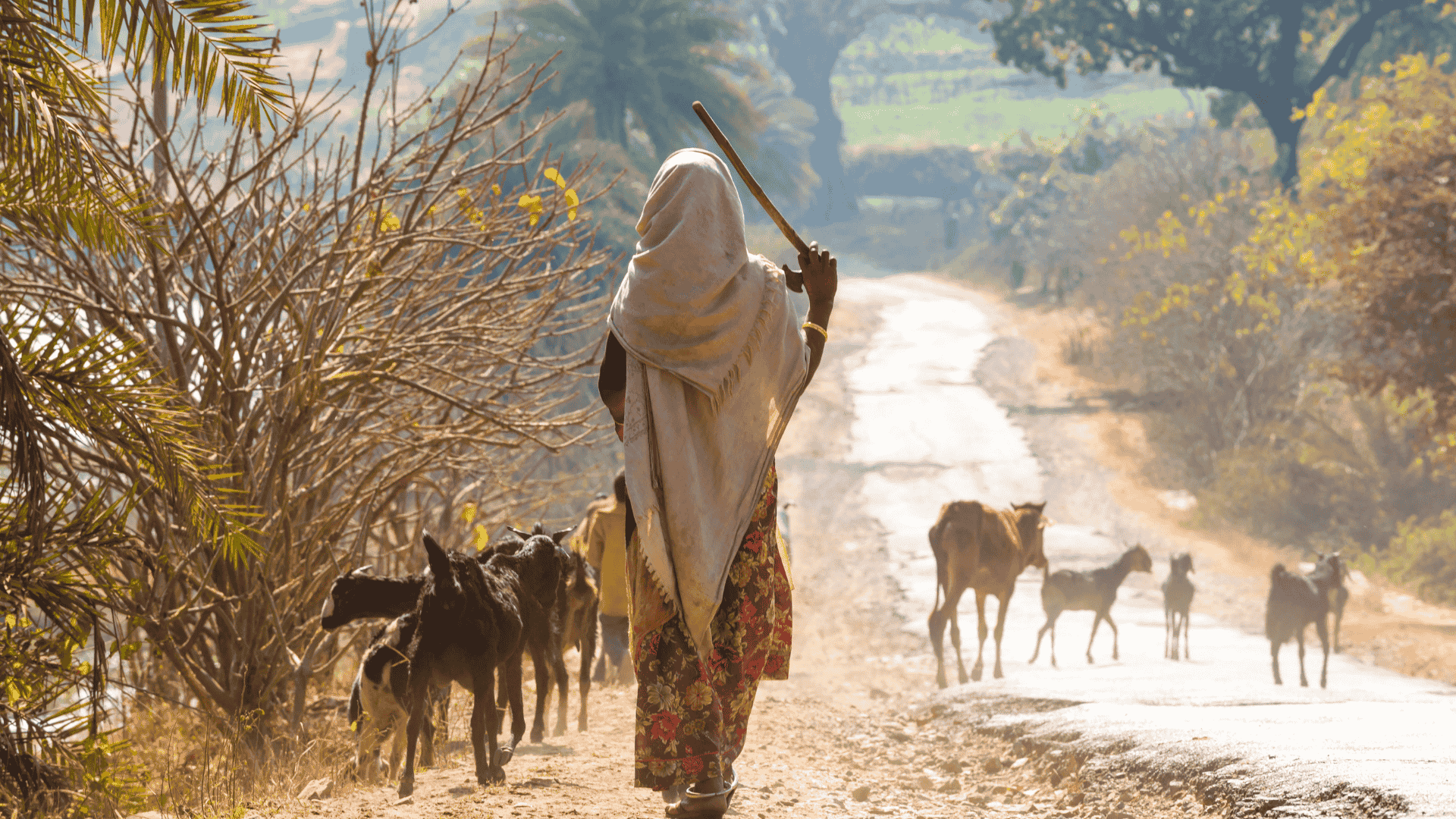
The increase in temperatures can also impact livelihoods in
unforeseen ways, a major one being agriculture. Since most plants experience
stress at temperatures above 35°C, the risk of crop failure rises dramatically.
A good example of this is rice, which reduces yield by as much as 10% for each
1°C increase in temperature. Reduced yields of rice and similar crops will
cripple countries who are dependent on it through both food shortages and
decreased economic value.
Some other ways the increasing temperatures affect economies
and livelihoods include, but not limited to:
- Decreased
productivity: India's economy lost an estimated $159 billion in 2021
due to decline in labour capacity in the construction, manufacturing,
agricultural, and service sectors, all as a result of rising temperatures.
- Supply
chain disruptions: Higher temperatures can lead to equipment
malfunctions, causing delays and increased costs. Additionally, certain
food and medicinal goods can degrade at higher temperatures, meaning
inventory management needs
Many sectors are closely tied to one another, meaning the
adverse impacts felt by one will affect others. As such, industries and nations
must deepen their understanding of ESG and sustainability before making any
plans: to see them as models for growth and development. Only then, can any
meaningful changes be made.
Potential plans of action
One of the main reasons why this year exceeded the 1.5°C
mark was due to the planet’s natural carbon sinks, namely the oceans and
forests, being unable to absorb any carbon dioxide:
- Increased
rate of GHG emissions weakening their ability to absorb carbon dioxide
- Current
predictive models not factoring in the impact of natural disasters like
forest fires, that add to the carbon cycle
Overcoming such challenges across all stakeholder groups
requires many things, such as:
1. Need for transparency and traceability – While the
current state of ESG primarily focus on reporting mandates, a more proactive
approach is necessary to truly reduce our environmental footprints. A vital
part of this approach is recognizing that it is okay to be at ground zero or
even negative in terms of our efforts towards sustainability tracking. Openly
acknowledging this can identify areas for improvement and help implement
actionable strategies by making an honest effort towards traceability and data-driven
decision-making. Through this approach, we can effectively reduce our
environmental footprints, and in turn, mitigating the effects of climate
change.
2. Investment in technology – There needs to be more
investment in affordable technology and more cross collaborative investment in
adapting technology at scale across geographies customized in parts to their
need. Focusing on SaaS solutions for traceability would be a good first step in
this regard. When we make tracking commonplace, we can then improve decisions
across the board.
3. Factoring in economic and social needs -
For developing regions, the biggest challenges are the presence of any gaps in
technical and financial knowledge, poor governance and a lack of resources.
This can vary from region to region, and it is here that ESG and sustainability
will be tested the most. Instead of finding a one-size-fits-all solution, ESG
must evolve to be able to make solutions specific to each region and country,
so they can take the required initiatives. There are several ways to go about
this, with one of the most promising being the creation of platforms that can
integrate all these variables together and provide tailored solutions for
improved decision-making, which is what we at Impactree have managed to do. A
collaborative effort is required in order to develop and deploy such
technological tools on a low-cost basis, especially in regions facing resource
scarcity.
Conclusion
One or more years exceeding the 1.5°C mark doesn’t
automatically neuter any efforts made towards climate relief. That said, the
next few years will be a major deciding factor in how climate action is taken,
and it will take a coordinated effort at a global level to ensure a worldwide
shift towards an equitable and environmentally responsible future.

698c5c5e5de79.png)


698c529269fbd.png)
698c5a49ce9f2.png)
698c57223720b.png)
698c54b5e685c.png)

696a419d8aed8.png)
698347868bce2.png)
6983497fa59bb.png)
69834bb7830cc.png)
6983503233f5c.png)
69835206bd3e2.png)
698353a5273d9.png)
698359575f4ad.png)
698c4fd2d295a.png)