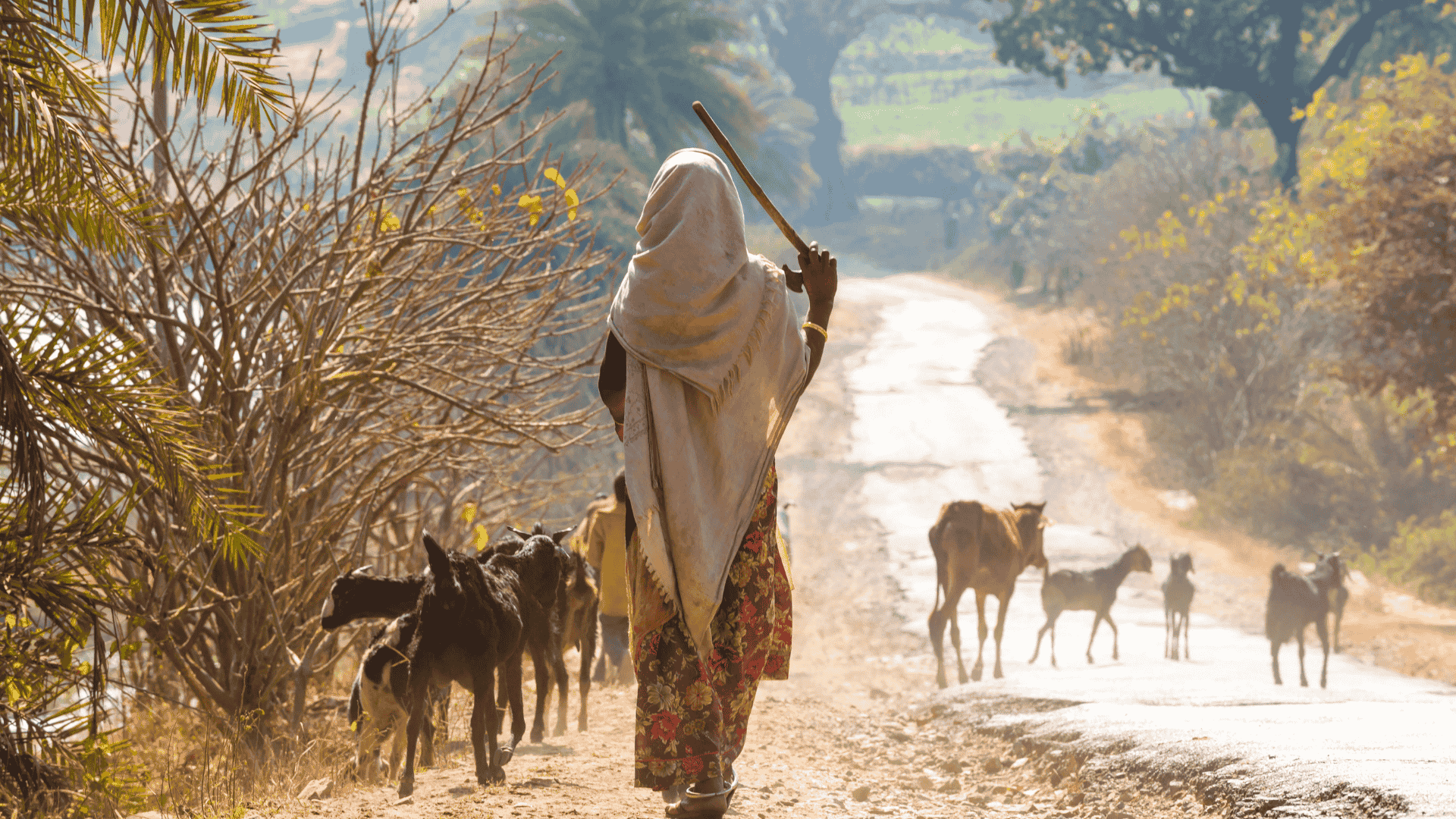
Commentaries on women's labor force participation: Why they fall short.
“When the worth of labor is expressed in terms of exchange
value, therefore, creativity is automatically devalued every time there is an
advance in the technology of work.” (Lewis Hyde: The Gift: Creativity and the Artist in the Modern World.”).
This statement would be as true for women’s labor in its myriad manifestations
as it is true in the art world that Lewis Hyde refers to.
In the lamentations of Indian women’s falling labor force
participation that focuses almost exclusively on women’s participation in the
economic realm, the near total disregard of how Indian women view and engage in
labor is detrimental to sustainability (about which there are also
lamentations!) especially for the unrecognized positive impact of women’s labor
in the social, cultural and ecological realms. That these are not measured or
are not of interest to the measurement industry is potentially damaging to our
collective future. It also confuses women who may be exhorted by economic
calculations alone to alter their innate agency, an agency that values role and
domain synthesis for their well-being, well-being of their families and of
their communities. What works as a composite in their ways of nurture for
well-being is now being split into compartments by social scientists and others
so that parts of it can be measured and held up for policy and state
provisioning to take note. (Nagpal and Viswanath https://theprint.in/opinion/what-reports-on-indian-womens-falling-participation-in-labour-force-dont-tell-you/1311436/).
Elsewhere, (Viswanath https://www.indica.today/long-reads/indian-culture-traditions-next-gen/),
I have written that state provisioning or policy measures are imperfect
calculus for well-being related decisions since they are guided by shorter-term
considerations (including electoral) and responses to vulnerability (more now
in the era of global economic volatility). As yet, there is no data to support
any view that state provisioning in India, in any case, would not fall short of
needs even in the future given the population and political dynamics that would
have to guide it. If such is the case, it begs the question; why is there
more of the same type of commentary on women’s labor force participation using
a limited economic lens when we can use the composite lens for analysing
women’s significant labor participation in furthering India’s resilient capital
base of culture, society and ecology (and on the sustainability of which the
economy actually depends)?
Lewis Hyde’s statement of exchange value is, unfortunately,
also limited by its monetary lens. Exchange value in women’s labor is quite
significant if one’s sees capital (as women themselves see it) in its composite
sense of social, cultural, ecological and economic and acknowledges that women
engage in labor in all these realms and build relationships that result in
exchange of nurture and support within their families and communities. Indeed,
during downturns, when state provisioning falls short, it is women’s labor
investment in children’s and societal well-being (and not just for wages for
the market) that shines India. What I have called Circles of Trust (families
and communities) which result from women’s labor investment in social and
cultural relationships are the mainstay of resilience in India. (Viswanath, https://www.indica.today/long-reads/indian-culture-traditions-next-gen/). India’s cultural capital is
extensive and from it flows even economic value (if we take heritage and
cultural industries into account as well as employment in artisanal crafts or
food that is second only to employment in agriculture). However, what is measured
is economic value AFTER it becomes an industrial endeavor whereas there is
significant value creation in the process of production or nurture before
production, namely, the maintenance of traditions and rituals and their
generational transmission and the social relationships that sustain because of
such maintenance and transmission.
Lewis Hyde goes on to say that labor sets its own pace and
is harder to quantify. He is speaking of creative labor (not hourly wage work).
Unfortunately, labor value is set in economic terms and guides our analysis of
women’s labor force participation. It gives rise to binaries like paid and
unpaid or formal and informal – not really apt for composite value creating
labor for well-being that Indian women engage in. The expectation of increasing
women’s participation in ‘paid’ labor through state or employer provisioning
for their ‘unpaid’ component is similarly problematic for its narrow
lens. Skills of nurture and care are not always replaceable by paid labor and
data shows that women are unwilling to compromise on quality and prefer to
perform these roles even when they have access to paid child care. And
involving men in these roles is a matter for negotiation and navigation within
families and communities.
Composite Valuation is especially important in an era where
mental health, intermittent employment, skills deficit, employability mismatch,
technology overrun, will require a culture-led enablement of resilience across
institutions at all levels of society, but beginning with family and
communities that already have women at their center. These issues are getting
attention but as discrete subject areas. This results in reductionism in the
matter of understanding Indian women’s labor or measuring it. Using the same
lens and same instrumentalities will not produce different analyses on women's
labor. Indian women always knew the composite value of their labor. It is for
analysts to know it now.

698c4fd2d295a.png)
698c5c5e5de79.png)


698c529269fbd.png)
698c5a49ce9f2.png)
698c57223720b.png)
698c54b5e685c.png)


696a419d8aed8.png)

698347868bce2.png)
6983497fa59bb.png)
69834bb7830cc.png)
6983503233f5c.png)
69835206bd3e2.png)
698353a5273d9.png)
698359575f4ad.png)